03 October 2025
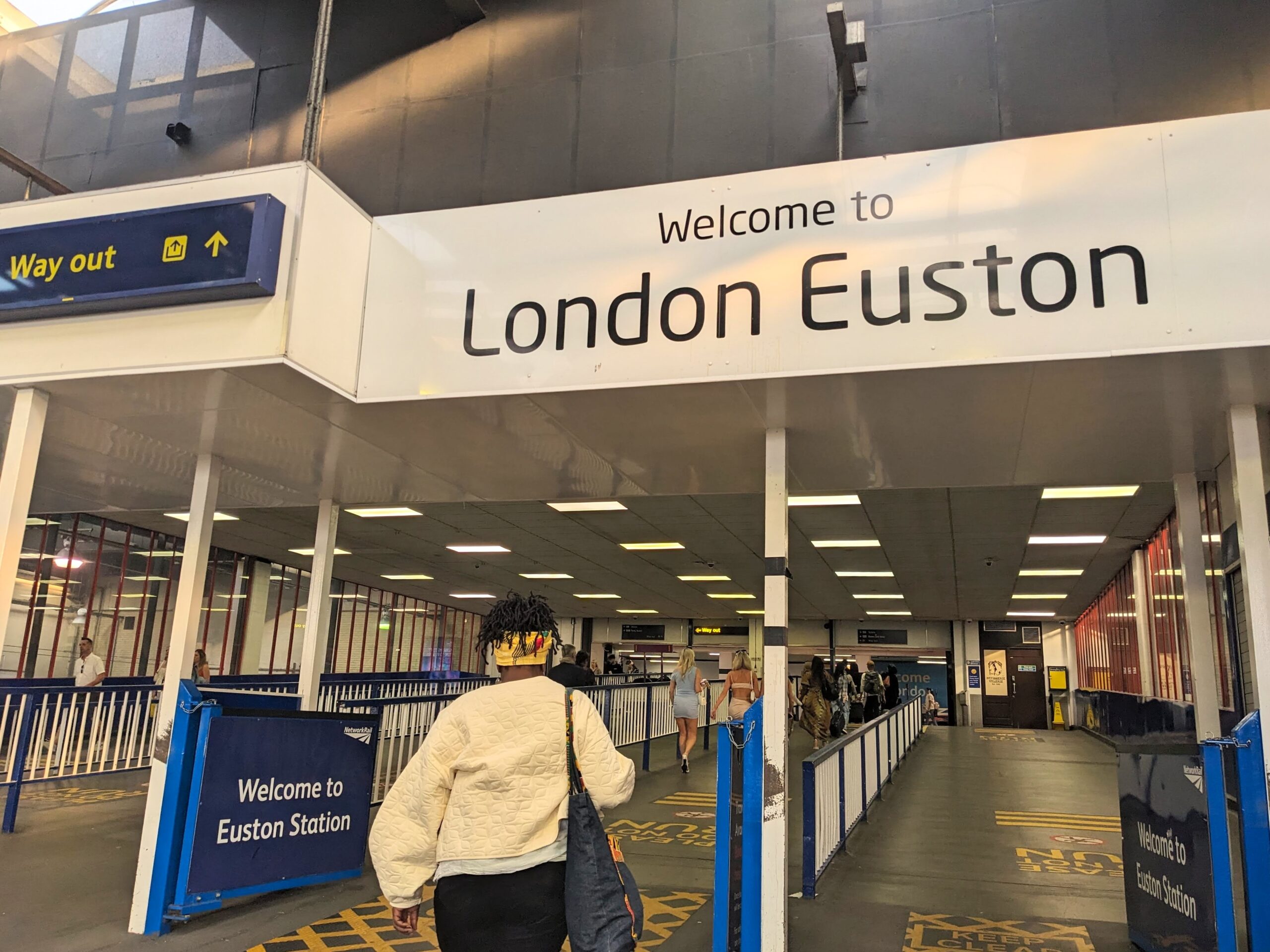
London Euston is Britain’s tenth busiest rail station and the capital’s main rail gateway to four of the country’s largest cities. Last October, prompted by scenes of passenger overcrowding as the station struggled once again to cope with service disruption, we at London TravelWatch called for action to be taken.
Days later, the then Secretary of State for Transport and Network Rail unveiled a Five Point Plan to improve the customer experience at Euston. Now that a year has passed, it feels like a good time to take stock of how things have been going.
With credit to rail leaders for inviting me to sit in on the programme oversight meetings, I have been struck by the difference which rail professionals can make when suitably empowered. Train company, Network Rail and other colleagues have come together in a refreshing (if all too rare, in my experience) outbreak of decision-making and delivery at pace.
The result has been a series of modest yet welcome changes at the station. A focus on consistently longer boarding times to minimise the so-called Euston rush when a platform is finally announced at short notice. Clearer signage and minor layout changes to help get around the station more easily. Revamped toilets. And, of course, removing the unpopular advertisements from the main information screen on the concourse.
All being well, we should see further improvements in the next six months. Potential measures could include more recognisable rail personnel through use of a single “one team” tabard for all station staff. Additional travel information on the big concourse screen and further de-cluttering of the concourse by removal of the two double aspect “tree” screens. Deployment of a much-needed customer information hub and re-configuration of the tired, inadequate assisted travel lounge.
Further progress needed
Welcome as these changes are, they are not exactly transformational. There is much still to do until the wider HS2 re-development of the area takes place, however many years away that might turn out to be.
The interchange with other modes is really poor – particularly the Tube, but also buses, taxis and the walking route to the nearby stations at King’s Cross and St Pancras. I’m told that Euston is the number one rail station for crimes recorded by the British Transport Police. And surely there’s scope for a deeper re-think of the station layout, including making better use of the existing large ticket hall.
Further progress will continue to depend on the energy, ingenuity and common purpose of the people who have secured the quick wins to date – and of course, money. But it will also need a sustained will to do things differently.
Working together to deliver at pace
I am told that one reason why the wins to date have been delivered relatively quickly is down to the close work between National Rail, Department for Transport and the Office of Rail and Road, to expedite normal lengthy approvals processes. I understand that key players are now working towards a regularised baseline position for all projects (to use the industry jargon), and that they continue to challenge the approval timescales to continue to deliver at pace.
Time will tell whether that regularisation will mean a change in gear. Maybe it’s a coincidence, but it feels to me that there has been a slowing of the early pace of change seen in the run up to Christmas last year, a perception that I sense is shared by at least some railway insiders. Adopting some of those potential measures to come in the next six months does seem to be taking longer than one might expect.
I totally get the need for due process, particularly as the focus of attention at Euston starts to shift to potentially more substantial and expensive measures. What’s needed is more streamlined process, better executed. Let’s hope the wider reform of the rail industry and much-vaunted closer alignment of track and train helps drive that – for the railways in general and especially for Euston.