13 May 2026
The Sarah Hope Line was set up in 2016 to help and support anyone who has been involved in, or affected by, a serious or traumatic incident on the TfL transport network. The line provides support for individuals based on their circumstances and offers tailored practical help and advice.
We spoke to the line’s founder, Sarah Hope, about why she set up the line and why it still matters ten years on.
Why did you set up the Sarah Hope line?
I was the victim of a bus crash in Mortlake in 2007 in which a bus driver was driving with road rage and veered off the road and onto the pavement. Tragically my mother was killed, my daughter lost a leg and I was very badly injured myself.
So as a family we went through this horrible trauma, and then the subsequent years after that were very hard as we had to navigate the criminal justice system to try to get justice for what had happened. The whole experience was very, very difficult and it made the whole awful situation even worse. Over the years having met other road crash victims it sadly seems the norm that the criminal justice system seems to make things worse, not better.
What did you want to see change?
One of the worst things for me was the complete lack of kindness and empathy that we had to deal with. No-one said sorry to us for what we had been through, and in fact the bus company refused to even speak with me for seven years.
So I wanted this experience to change the way we think about the injured victims and the families of those who have been hurt, or bereaved (or in our case both) and I wanted to see them treated with more kindness. The authorities and the system were so uncaring and I wanted this to change. You can’t be unkind to people during the worst moment of their lives, so I wanted there to be a voice of kindness. This was my motivation for setting up the Sarah Hope Line.
So who does the line help?
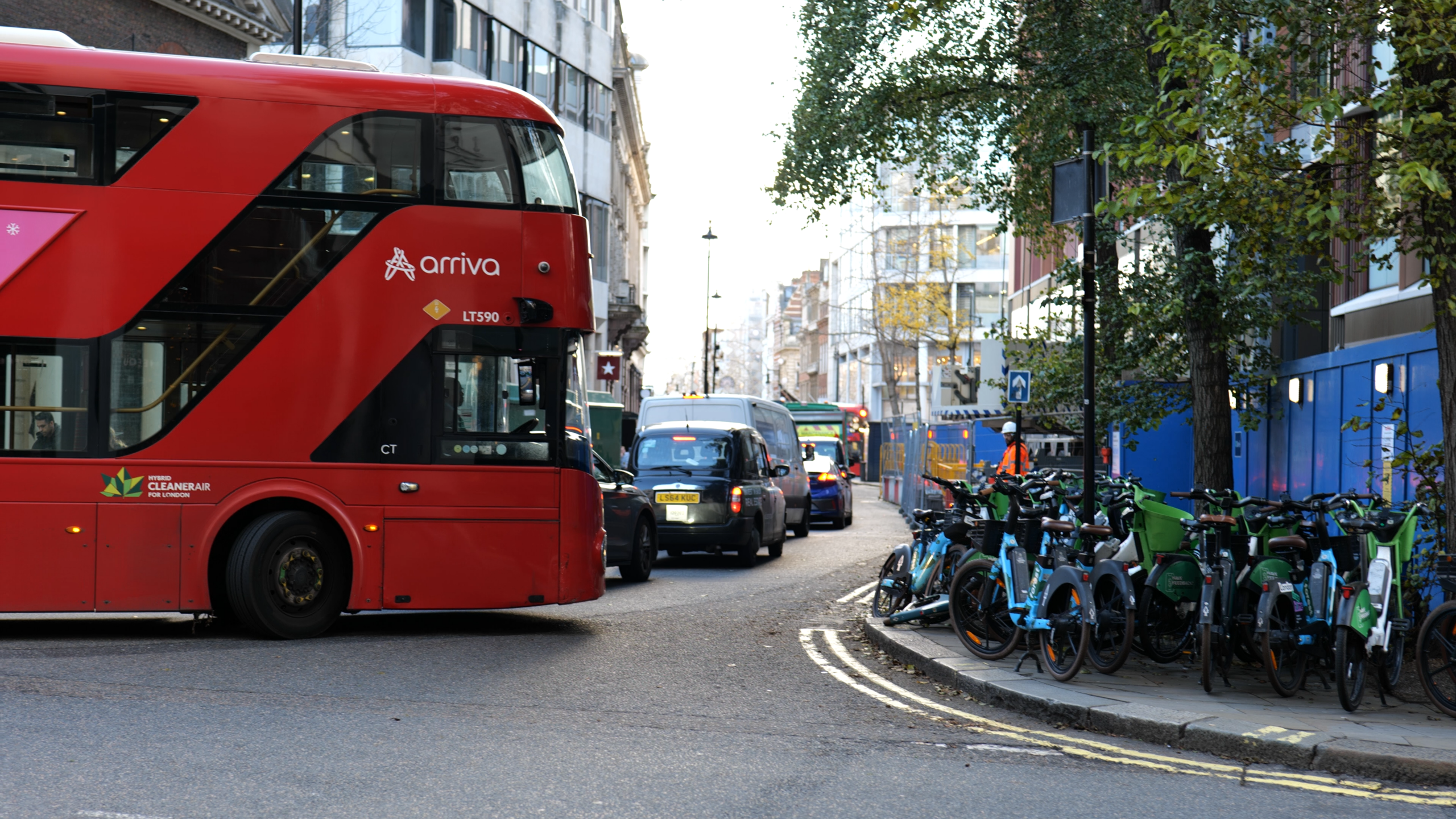
The Sarah Hope Line will help anyone who suffers a life-changing injury or bereavement on the London transport network, the families of these people, and anyone who might have witnessed an incident. We also help people who experience a traumatic incident or accident on a bus or inside a station.
And how can the line help?
We offer private counselling for people and make sure that they get the right type of help and support. We signpost people to relevant charities and organisations that can offer further help, and we can also help with costs associated with these incidents, such as paying for travelcards for the family members of someone who is in hospital. We also offer practical support with temporary housing costs if this is needed, funeral costs and other travel costs for visiting family members if this is needed.
How many people work on the line, and what training do they receive?
We have a team of eight or nine answering the phones, and this has increased over the years. They have intensive training so they can deal with vulnerable and traumatised people, and they also have their own counsellor so if they are upset they can speak to someone. It can be a difficult job.
Do you have a message for anyone who might have been a victim, or witnessed a traumatic incident on the transport network?
We are here to offer you the support you need. The line is completely confidential, and there is no time limit, so even if you were affected years ago you can call us and we will offer you help and compassion. So please do call us and we will do all we can to help.
You can call The Sarah Hope Line on 0343 222 5678, Monday-Friday 8am – 6pm, or email [email protected]. You can also find out more about the Sarah Hope Line here.
The service covers incidents on all TfL modes of transport, including bus, Tube, Elizabeth line, London Overground, DLR and trams.
You are eligible for support if:
- You have been involved in a life-changing or traumatic incident
- You are the family member of someone involved in a life-changing or traumatic incident or fatality
- You were a witness to such an incident