06 August 2026
It’s the passengers of bus route 14 I feel most sorry for. In 2025/26, the 14 had the dubious honour of being London’s slowest bus route, with an average speed of just 5.6 mph. That’s slower than in the previous year … and the year before that. And significantly slower than in the earliest year of Transport for London’s (TfL) modern bus statistics (2013/14), when it reached what now seems the positively heady heights of 6.6 mph.
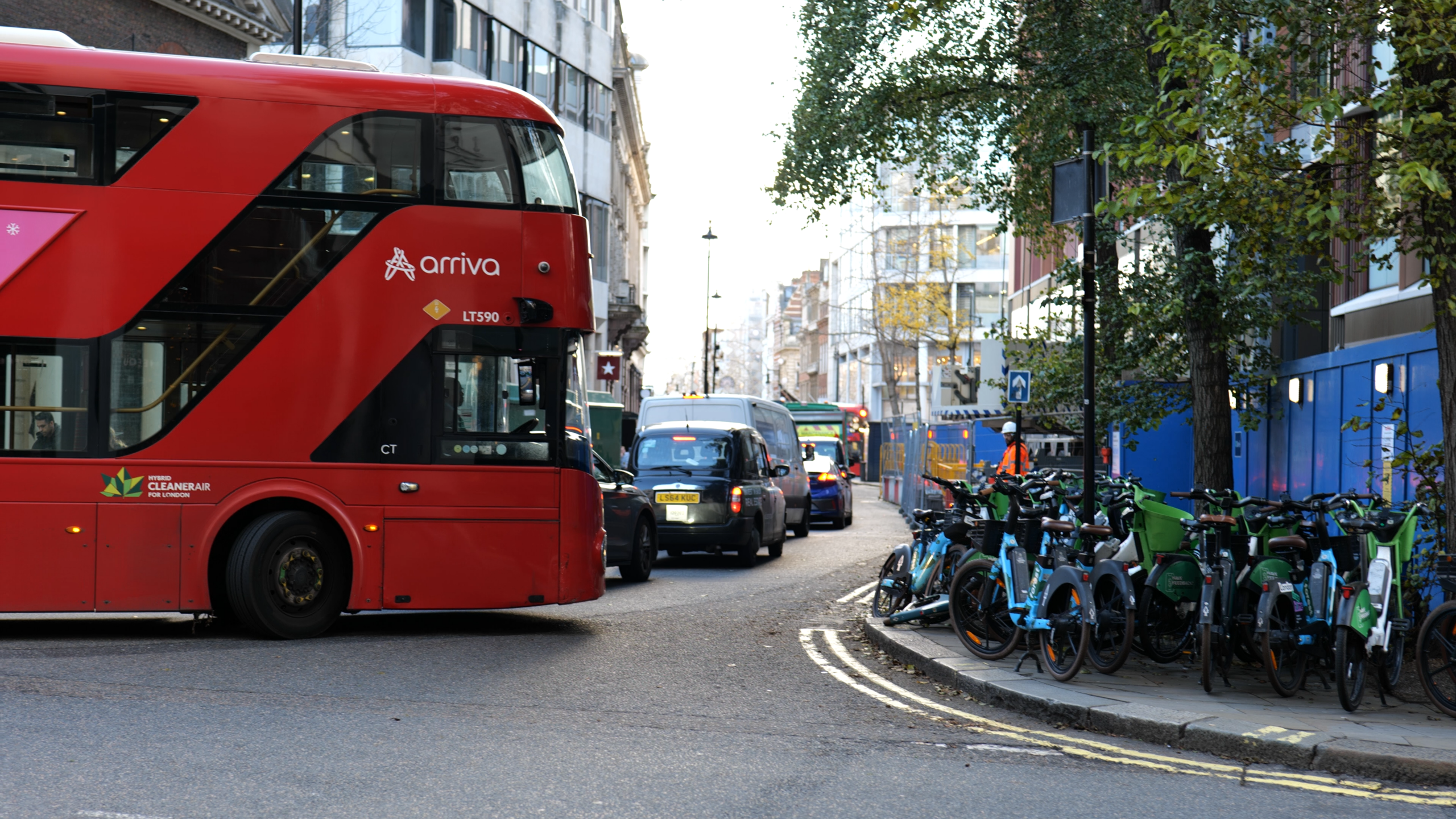
The passengers of route 14 are not alone. If it feels like your bus journey has been taking longer in recent years, you aren’t mistaken. The average speed across all London bus routes in 2025/26 was just 9.1 mph, the third consecutive year in which it’s declined and the lowest it’s been for more than a decade. And the gentle decline has been continuing in recent months.
The average speed of buses is also important because there is an established connection between longer bus journeys and people taking fewer bus journeys. Research indicates that a ten percent increase in journey times can lead to a six percent fall in bus demand. London TravelWatch knows from speaking to passengers that slow journeys are the main issue that stops them using buses more frequently.
TfL’s 2025/26 satisfaction data for bus passengers shows that the percentage of those who said they had experienced a delay on their last bus journey had increased for a second consecutive year. Unreliable buses, whether you are waiting at the bus stop or en route, is unfortunately something that many passengers must experience every day.
So, it’s not a surprise – but is still disappointing – that bus passenger numbers have fallen in the last two years. While most of the decline reflects the impact of wider societal trends, it is something which began in the years before the pandemic. Indeed, bus passenger numbers are 25 percent lower now than they were a decade ago.
And this has a negative impact on the bus network more widely. Fewer passengers make bus routes more vulnerable to cuts in frequency – or the risk of being scrapped altogether. Fewer passengers also mean less income for TfL to invest in more bus services.
Taken together, it’s a bleak scenario for the many people who have no choice but to use the bus and a disincentive for those who would use the bus more often if it were more reliable and journeys not as slow.
Will it get better – and, if so, when?
In recent years, TfL has given particular focus to improving buses. As big supporters of the bus, we welcomed the launch of TfL’s Bus Action Plan in 2022. This was designed to make bus services more attractive including a significant improvement in journey times by 2030 (with average bus speeds rising to 10.2 mph). Since then, a key part of TfL’s work to reach that milestone has been to work more closely with London’s boroughs, which is critically important because the boroughs manage 95 percent of the capital’s roads.
TfL’s ongoing work includes a detailed Bus Performance Programme, which aims to improve bus speeds, reliability and performance. They are implementing measures such as using technology to ensure that bus schedules match the conditions on the road, partnering with boroughs to reduce the impact of high-impact roadworks on bus routes, and their pan-London lane rental scheme, which charges utility companies for how long they take to carry out roadworks, so streets are reopened more quickly. TfL says these and other measures will deliver about one-third of the improvement needed to increase average bus speeds to reach the 2030 target.
What about the journeys ahead?
Whilst we welcome TfL’s commitments to make the bus better, we remain concerned. Even if these actions do increase bus speeds as forecast, that still leaves some way to go to reach the 2030 target. There is little clarity about what else is being considered to deliver the remaining two-thirds of effort to achieve the 2030 target. We recognise that improving bus speeds is challenging but, with only four years remaining to reverse the long-term decline, we are not confident that the 2030 target will be achieved.
We’d also like to see TfL more meaningfully engage with people as they devise and implement plans to improve bus services. For instance, given the competing demands on limited road capacity, trade-offs may need to be considered when looking at the journey experience for passengers. Something that may improve the reliability of a bus – such as building more breathing space into timetables – may also end up increasing overall journey times. What matters most to people? We would encourage TfL to be honest about the possibility of these trade-offs and make sure they are prioritising what passengers want.
Ultimately, we need to start seeing TfL’s good intentions actually deliver the improvements needed to improve journey times for London’s bus passengers. For our part, we will be keeping an eye on how things pan out on the road. If we don’t see those improvements, we will continue to hold TfL to account and press them to step up further.
We just hope that route 14’s passengers – and those on the other routes slowly and unreliably winding their way around London – won’t have to wait much longer before these better bus journeys come along.