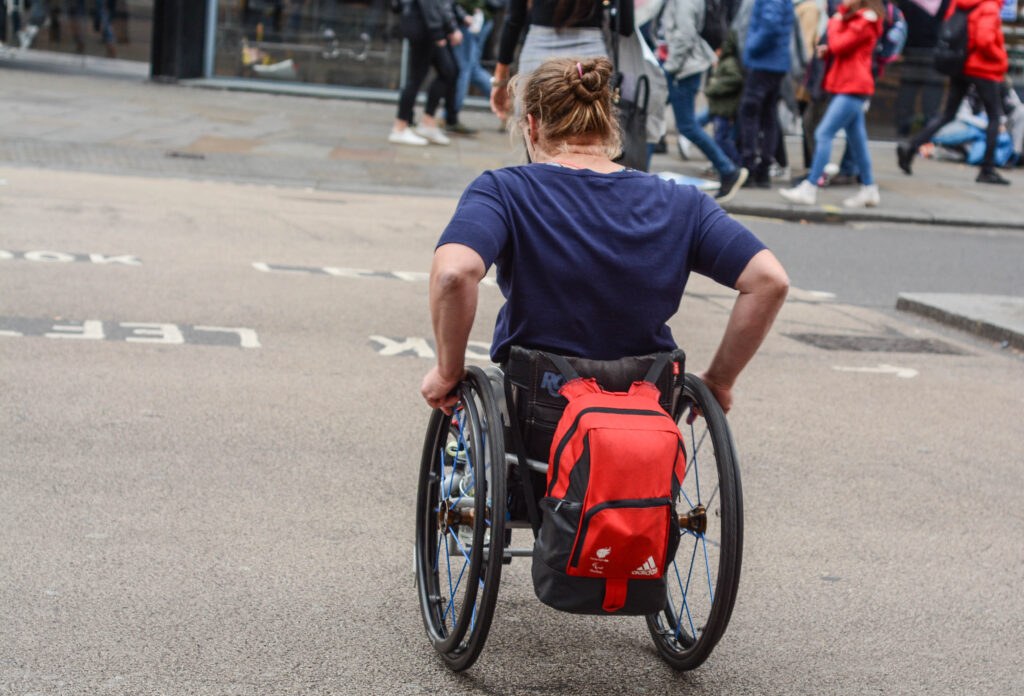
Although we often talk about public transport in London, we fully appreciate how important walking or using a wheelchair or other mobility aid is to many Londoners to help them get around the capital. This might be to get them from a to b, but it can also be as part of their journey before, after or in-between using other methods of transport – for example to get from home to the bus stop, from the bus stop to the tube station and from the tube station to the office
For people to walk and wheel around the city safely, they need well-maintained and clear pavements, safe places to cross and well-lit streets.
We worked with consultancy Yonder to speak to a diverse group of Londoners to ask them how walking and wheeling in London could be improved and made easier and more pleasant for them.
What we found out
Walking is the most common way Londoners get around. Two thirds walk regularly, and walking is particularly common among younger, wealthier, and ethnically diverse Londoners. One in four Londoners carries additional items when travelling, such as pushchairs, trolleys or luggage, with this being most common among disabled people, parents, and those in inner London.
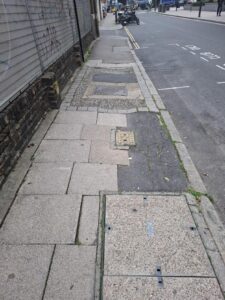 Yet not everyone has a good experience when walking around the city. Older people, parents and those with physical conditions are more likely to be dissatisfied with their overall walking or wheeling experience. Poor pavement conditions were the main cause of dissatisfaction for those we spoke to, along with crowding and safety concerns.
Two in five people feel unsafe walking or wheeling after dark – particularly women and those with physical or mental health conditions.
All these issues disrupt everyday journeys, with 4 in 10 respondents having to change their walking or wheeling route at least once in the past month due to an issue. It can be particularly disruptive for those with additional requirements, with disabled people, parents and people carrying additional items more likely to have to change their route.
It can also stop people from walking and wheeling on London’s streets more frequently. In fact, almost three quarters of the people we spoke to said that issues such as objects on the pavement (such as signage or e-bikes), uneven surfaces and lack of toilet facilities have prevented them from walking or wheeling more frequently.
Where should money be spent?
We also asked our respondents where they would like money to be spent. While the underground and buses were their priority areas for spending, joint third was walking and wheeling, which highlights how key this area is to so many Londoners and how this needs to be focussed on alongside other forms of public transport.
Our recommendations
With walking and wheeling being such an important way for people to get around the capital, it is vital that the streets we walk and wheel on are fit for purpose. Objects like bins, signs and seating are of course needed, but they need to be well placed so they don’t create yet another barrier to walking and wheeling.
Streets need to be a key priority for Transport for London and London boroughs, who need to work closely together to ensure that streets are safer and clearer.
From improving and better maintaining pavements, to reducing obstacles on the streets, to more lighting to help people feel safer after dark, there are significant steps authorities can take to make walking and wheeling better for everyone.
This should include:
- Improving overall pavement quality and facilities to make streets safer and more accessible
Steps to repair damaged or uneven pavements, expand public toilet provision and seating, and add accessibility features like tactile paving and dropped kerbs (including at crossings and busy junctions) can all make for a better journey. - Co-designing street spaces with different groups to make sure they work for everyone
This includes working with groups most affected by changes, particularly those with additional accessibility requirements including disabled people, older adults and parents. - Working between TfL, boroughs and businesses to remove unnecessary obstacles to reduce barriers to walking and wheeling
This includes things like A-boards and e-bikes on pavements, and only placing things like bins, benches and micromobility infrastructure in places where they will not impede or narrow the sidewalk for pedestrians. - Better use of available funding to focus on Londoners’ priorities for improvement
Consistent, longer term and focused funding can help give local authorities the tools they need to more effectively plan and implement the measures needed to improve London’s streets.
Find out more
View our infographic – key stats at a glance