11 June 2026
We were pleased to see Transport for London (TfL) publish its Walking and Wheeling Action Plan late last month. The plan details the ways in which TfL aims to make walking and wheeling easier and safer across the capital – which is better for people’s health and the environment. It’s particularly encouraging to see how much of the underpinning analysis chimes with the findings of our own Making Space research which we published last year.
Why it matters
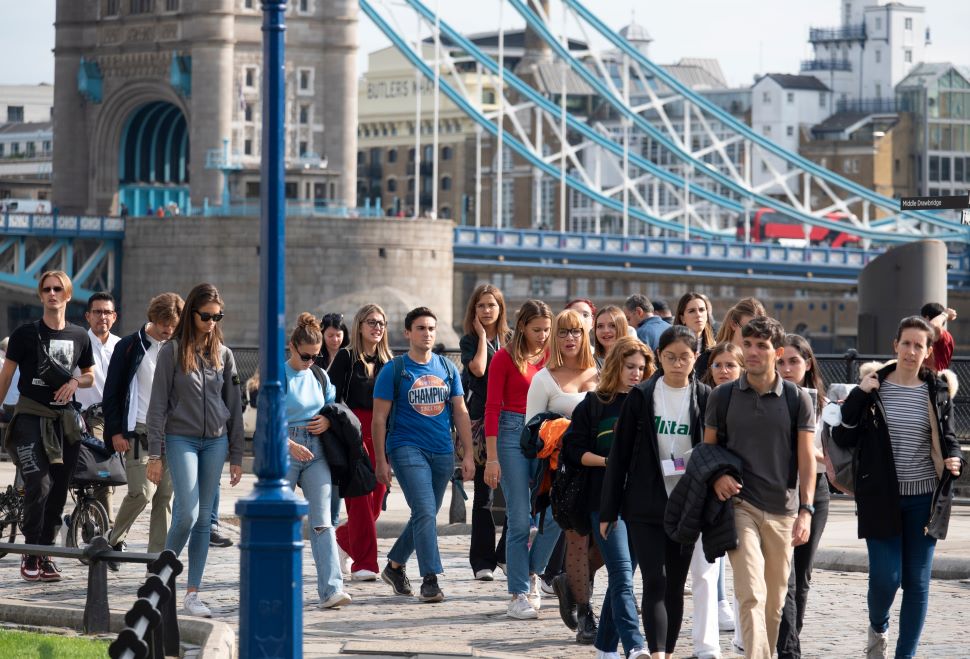
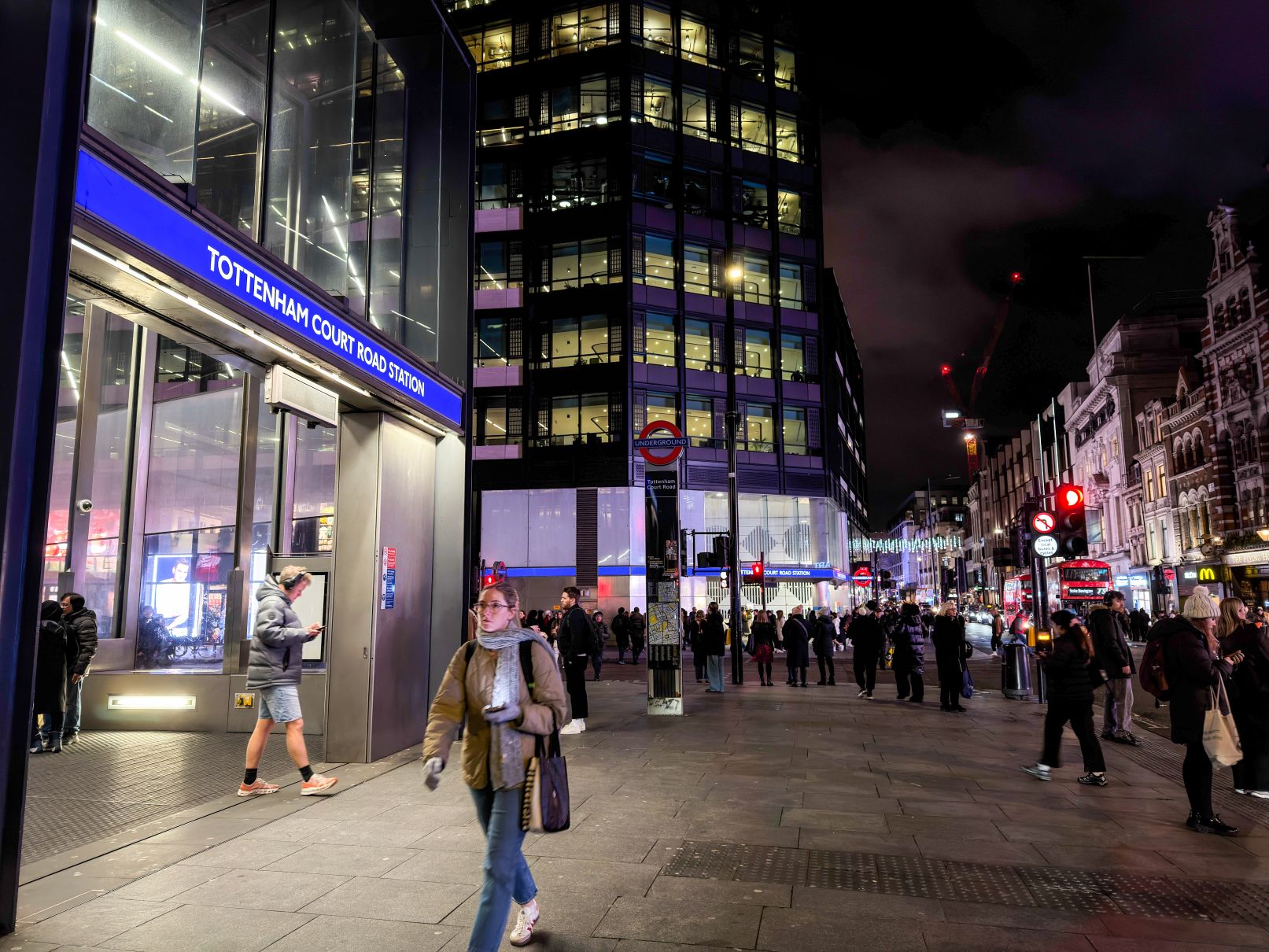
Walking is the most common way Londoners travel, with two-thirds of people saying they walk regularly in the capital. However, according to our research, a significant gap exists between people’s travel habits and the quality of their experience.
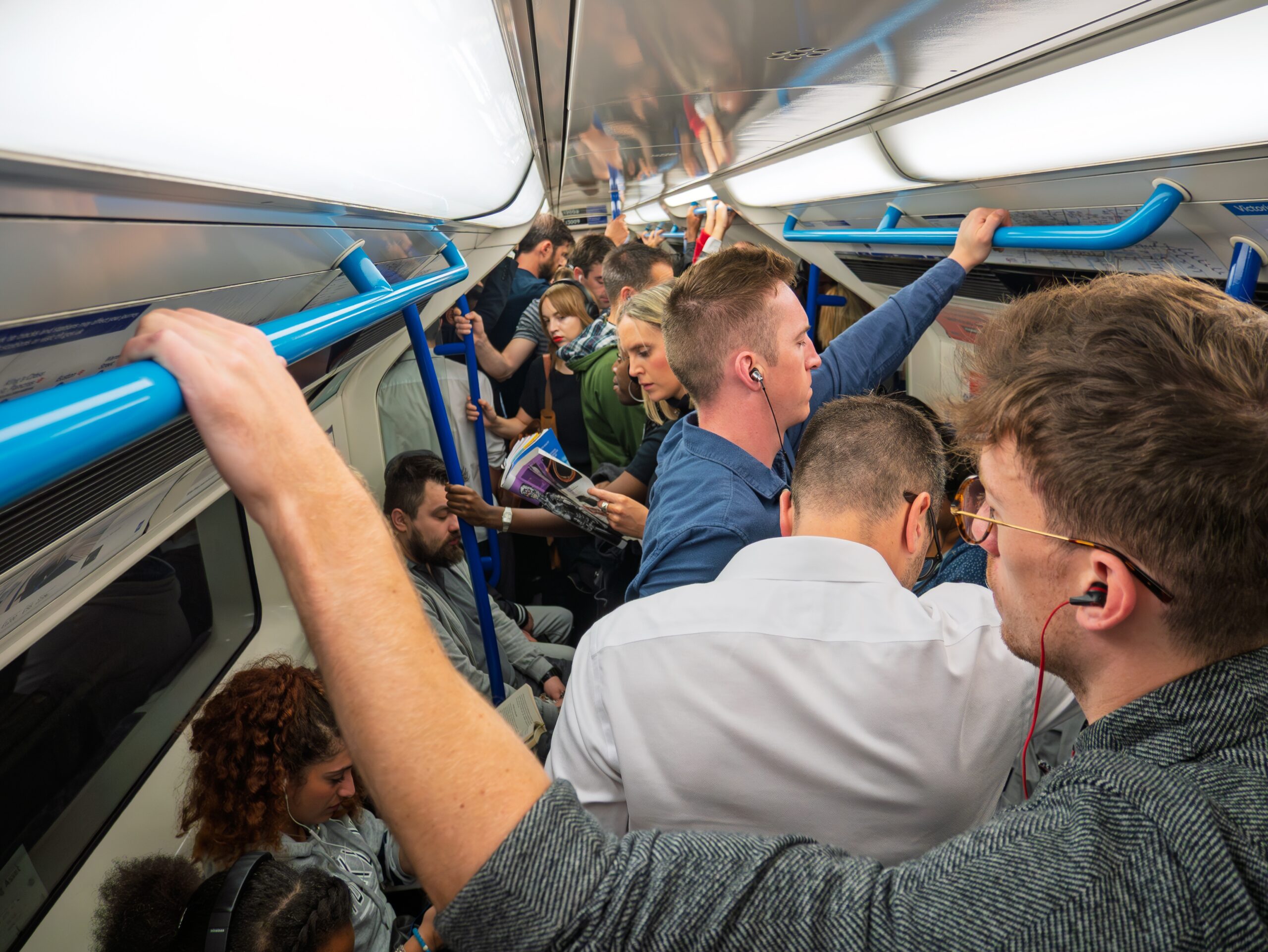
For example, many people – particularly the elderly and those with physical conditions – report poor pavement conditions, crowding and safety concerns as preventing them from walking as much as they would like to. Two in five people also feel unsafe after dark, a figure that disproportionately impacts women and those with health conditions.
Barriers to progress
These challenges aren’t just trivialities – for many people they can disrupt daily life. Four in 10 people told us they have had to change their route at least once in the past month due to various barriers – a struggle which is even more pronounced for parents with young children and disabled residents.
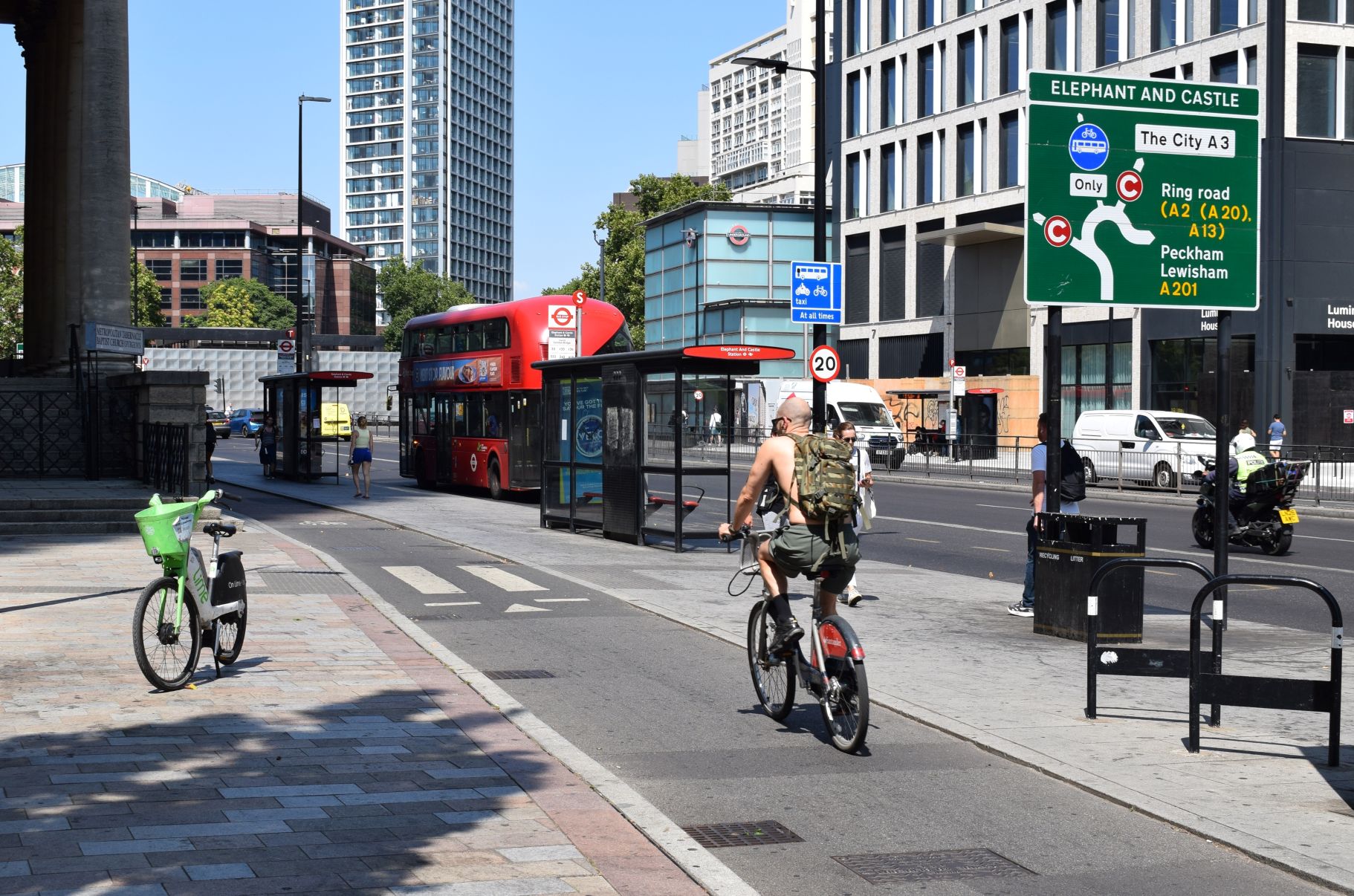
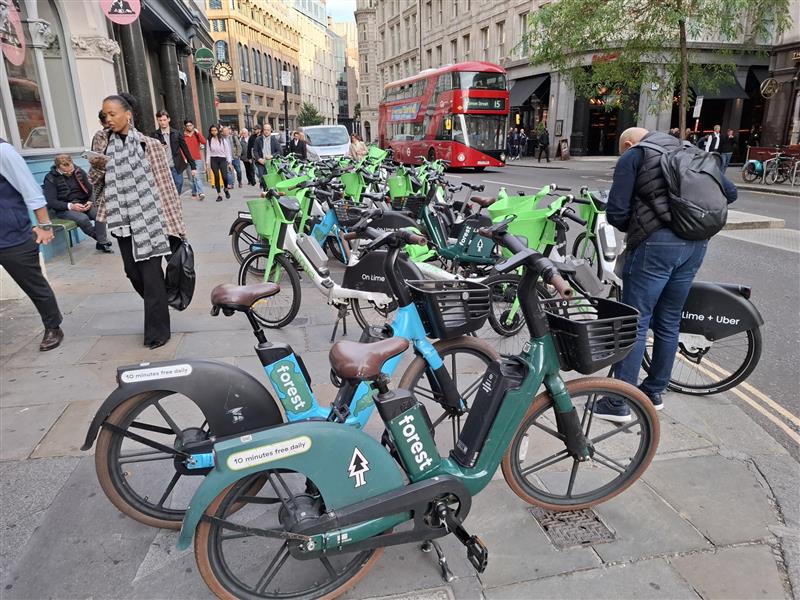
Furthermore, nearly three-quarters of the people we spoke to feel that issues like pavement clutter such as poorly parked e-bikes, signage, uneven surfaces and a lack of public toilets actively prevented them from walking or wheeling more often.
Looking ahead
TfL’s new plan is packed with plenty of positive commitments, such as delivering a thousand new pedestrian crossings over the next five years and improving walking routes to bus stops and stations, so that journeys feel safe and well connected.
Over the coming months and years, we’ll be on the lookout to ensure that the pace with which improvements are rolled out is sustained – whether it’s the programme of new crossings or the deployment of new powers to create a London-wide scheme to regulate dockless bikes.
But we’re also keen to see a number of specific things referred to in the plan, such as publication of the bus stop bypass enhancement review findings (already behind schedule) and improvements to the Streetcare reporting system (a particular bug bear of ours).
And we will be monitoring how this plan interacts with other key TfL plans and strategies, such as Vision Zero on safety, the cycling action plan and the London on the Move strategy to deliver better journeys on the capital’s road network.