22 October 2025
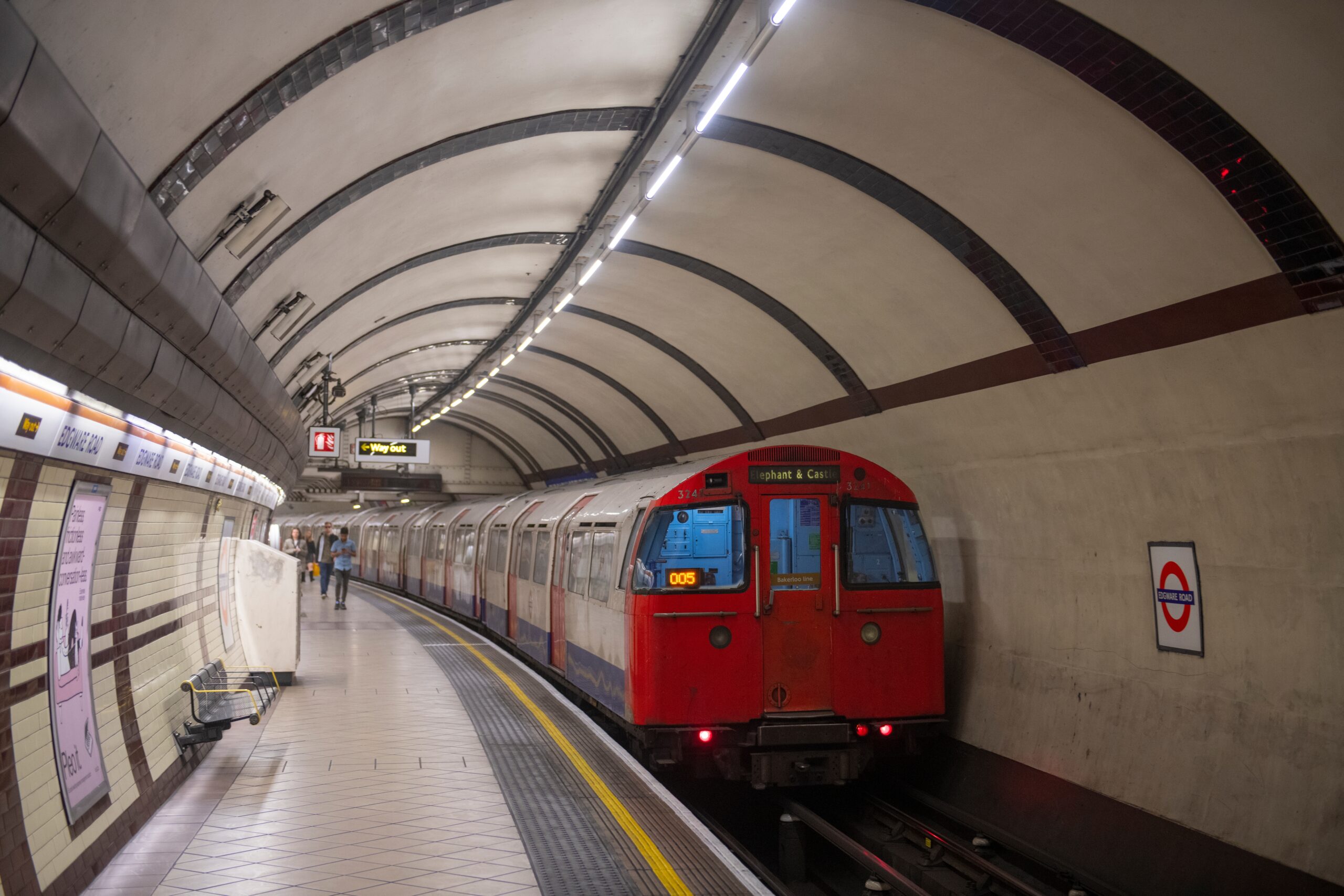
London’s Tube network has some of the most modern trains in the UK – but some of the oldest too. When the fleet of new trains for the Piccadilly line begins rolling out in 2026, the Bakerloo line will have by far the oldest Tube rolling stock in use. The trains are 53 years old, the oldest in regular passenger service in the UK, and are operating well beyond their 36-year design life. The Mayor of London acknowledged earlier this year that ‘the fleet is increasingly unreliable, with its maintenance becoming more complex and costly’ and that ‘replacing the Bakerloo line fleet is one of TfL’s highest priorities’.
With this in our minds, we had noticed in recent months from our tracking of TfL’s live service updates the disheartening regularity of delays due to train cancellations on the Bakerloo line. Just from our snapshots from the end of May until the end of September, we estimated that this had caused minor delays three times a week and major delays once a week.
We were concerned about this and decided to take a dive into TfL’s performance data to see what it was saying. What it revealed was a bleak picture for Bakerloo line passengers. During this financial year, whether looking at the percentage of service operated, or the percentage of scheduled kilometres operated, the Bakerloo was consistently one of the worst performing of all Tube lines. Often during those months, it was the worst.
What TfL told us
At the end of September, we met TfL to gain an understanding of what was happening on the Bakerloo line. This was both for the current service issues and what passengers could expect from the service in the future, not least because of its ageing fleet.
TfL told us that the higher level of driver absence was due to sickness – much of it long-term – which had affected TfL’s ability to run as much of the Bakerloo line service as they had wanted to over the summer.
This situation was, however, improving and the service being run was gradually coming closer to target. We were somewhat reassured to hear that the worst is hopefully over.
We were also happily surprised to hear from TfL that the age of the Bakerloo line trains was not in itself a particular problem. TfL’s intensive programme of skilled maintenance and improvements, in which they were working closely with suppliers, gave them confidence that the trains could be maintained until a new fleet began to operate.
Other reflections from TfL did, though, raise some concerns. TfL explained that they and Network Rail were now focussing on how to work together better. This is important because the above ground section of the Bakerloo line, which it shares with London Overground services, uses tracks owned and maintained by Network Rail. Better collaboration here – as well as on other TfL services using Network Rail infrastructure – should improve the service and experience for passengers in the future.
Although it is encouraging to hear that the Bakerloo line service is gradually returning to what it should be, we will be holding TfL to the reassurances which they have given us and will speak again with TfL on behalf of passengers if issues arise.
Looking forward to new trains
It was positive to hear from TfL that the Bakerloo line fleet is not in immediate danger of widespread failing. We don’t have to think back too far to recall the months of pain for Central and Jubilee line passengers which was caused by train failures.
Yet despite the efforts to keep the Bakerloo line’s fleet on the tracks, which will hopefully ensure a relatively settled picture for passengers in the short to medium term, the need for new trains has not gone away. London TravelWatch welcomed TfL’s long-term funding settlement from government this summer, but it did not reference allocating funding to allow for replacement rolling stock for the Bakerloo line and for TfL to enter future contracts with its UK-wide supply chain. We await an update from TfL.
The long lead-in time for bringing new trains into passenger service should certainly not be forgotten or underestimated. This means that even if TfL were able to give the go ahead to building new trains in the very near future, the current trains will still be needed into the 2030s. There will certainly be an added poignancy if TfL need the oldest of the current trains to keep running once they have clocked up their 60th birthday in service in 2032.